The Farmyard
A place to play and explore for readers of Enough Feathers to Fly
Jump to: Meet the Characters · The Soundtrack · Farm Photos · For Book Clubs · Resources · Stay in Touch
A Note from Natalie
If you've found your way here, you've probably spent some time on the farm with me, Carlotta, Cousteau, the turkeys, and a host of other creatures.
Thank you for reading. Thank you for letting these stories matter to you.
This page is a place to carry a little of the farm's spirit into your own life.
I hope something here delights you.
Meet the Characters 🐓
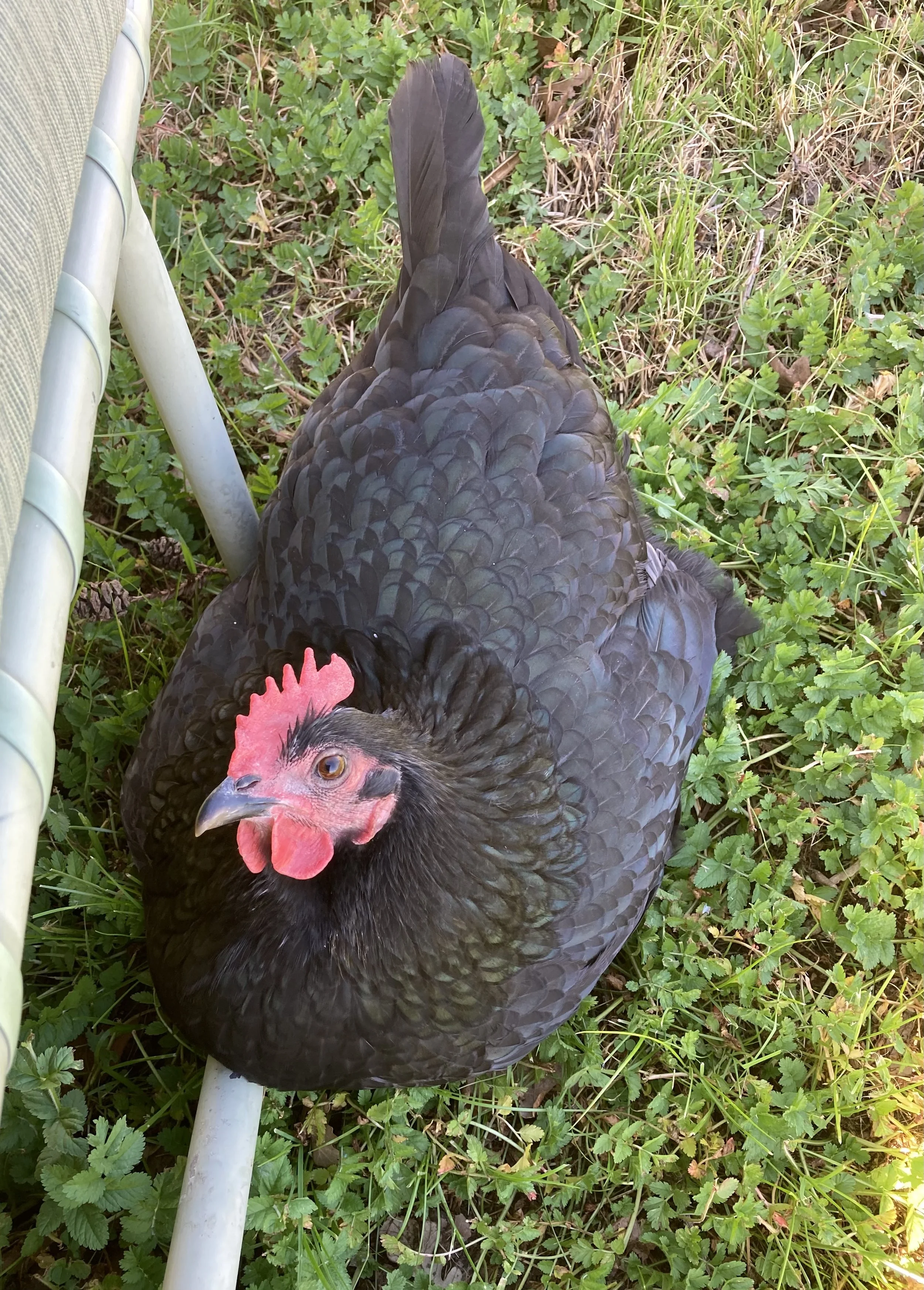
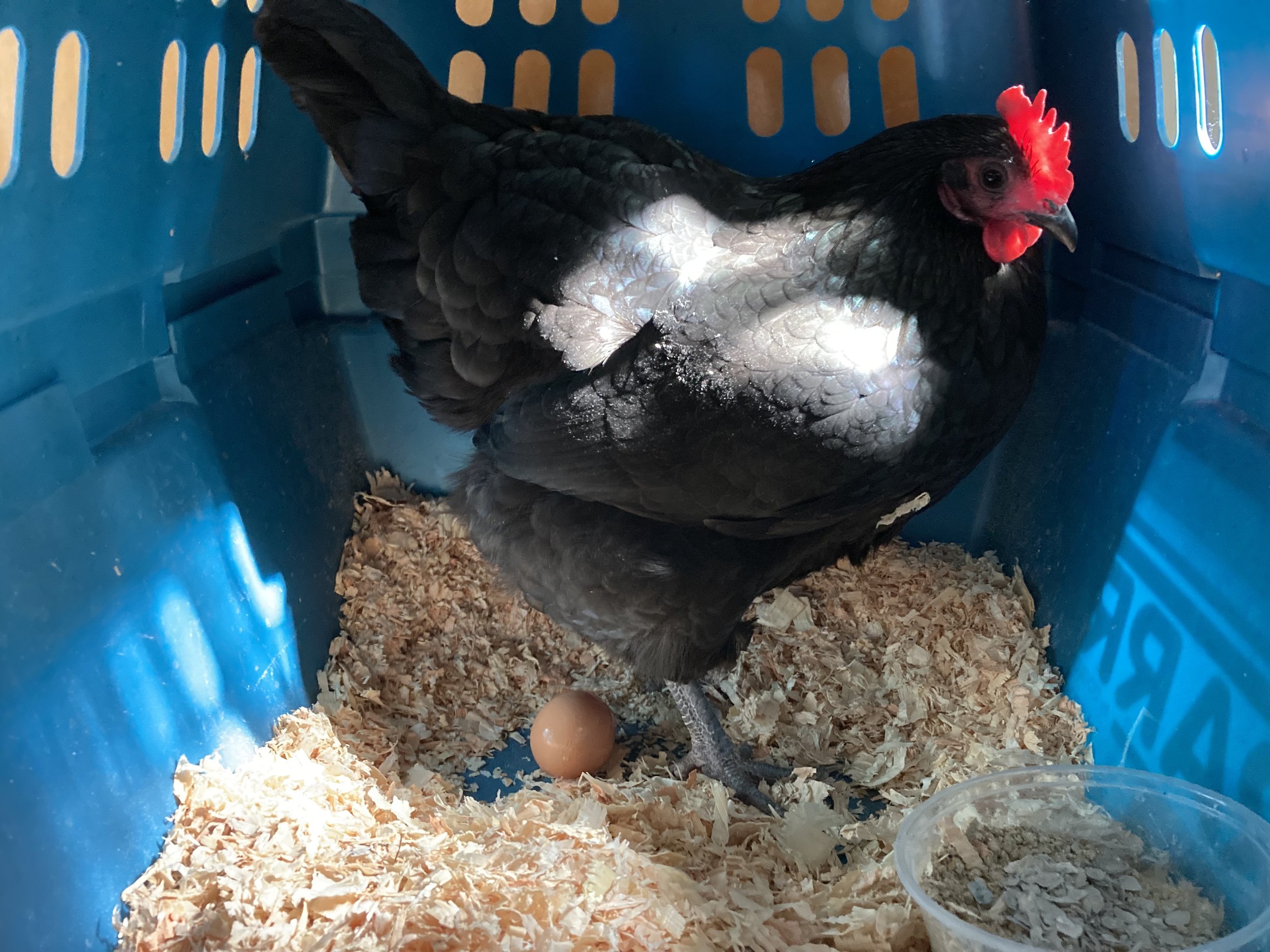
Carlotta
Self-appointed farm manager.
Dedicated to spa treatments and snacks.
Always ready for an adventure.
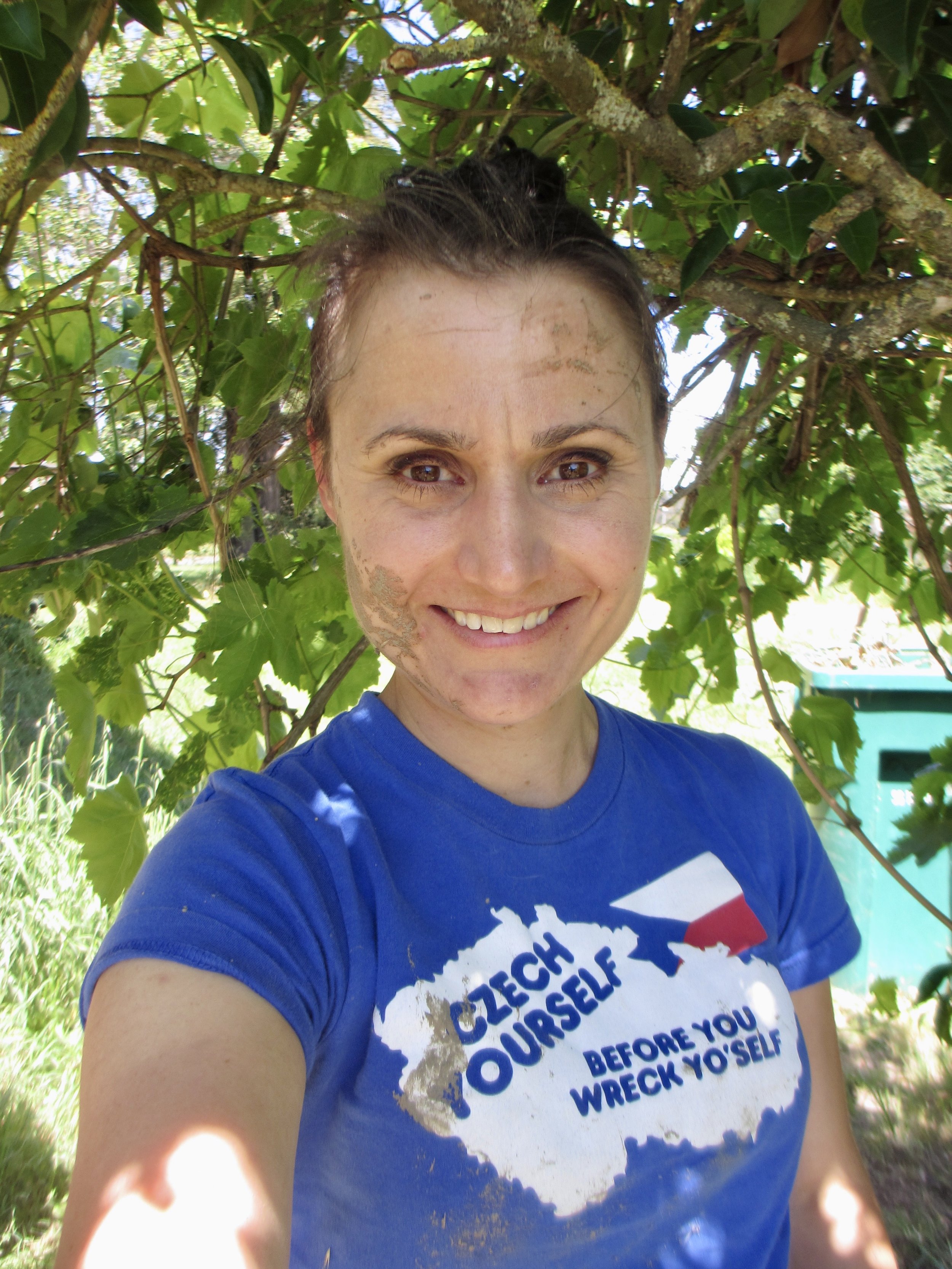
Natalie
Me, the day I fixed the broken water line.
Full of enthusiasm.
Not yet aware of how I would make repairs within.
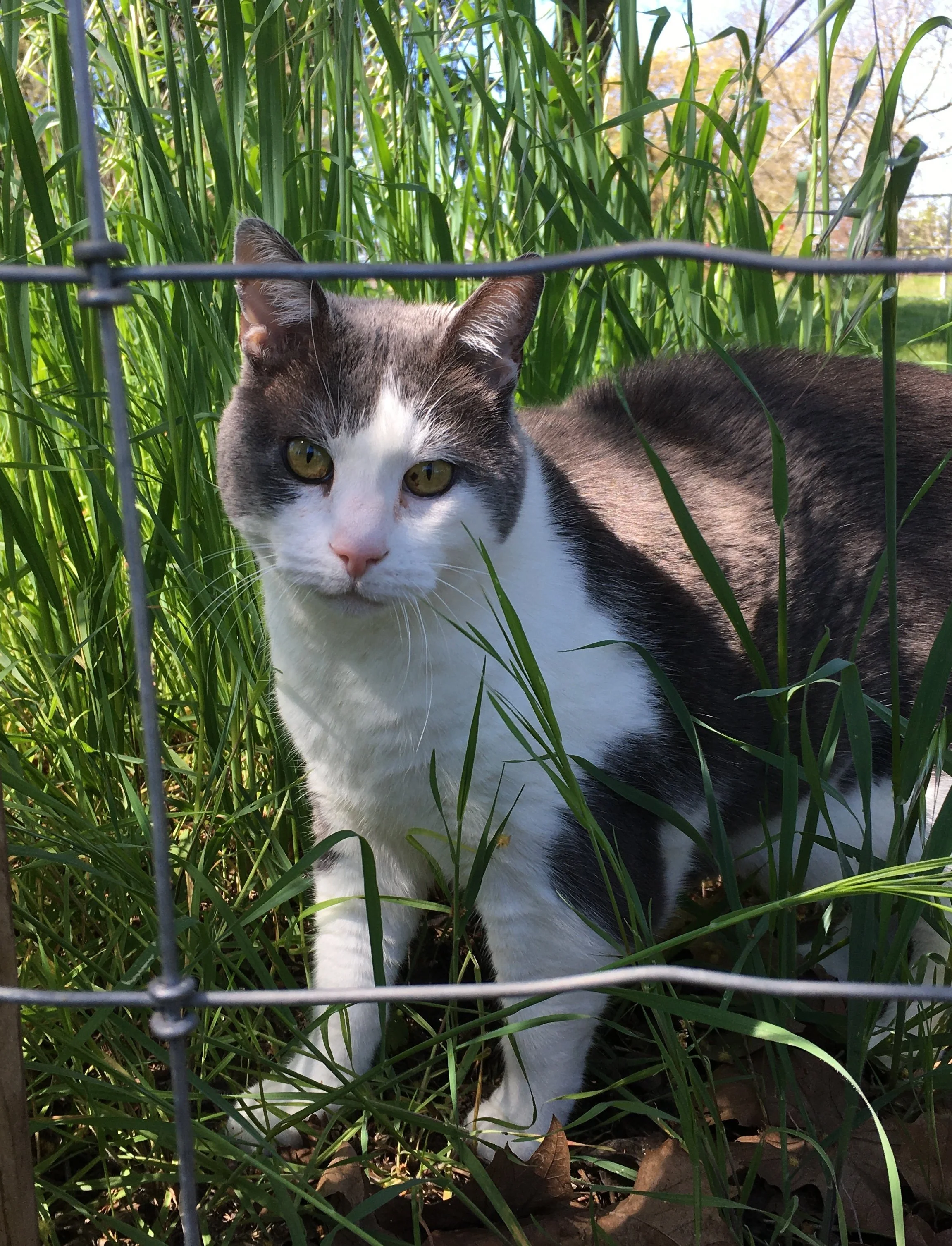
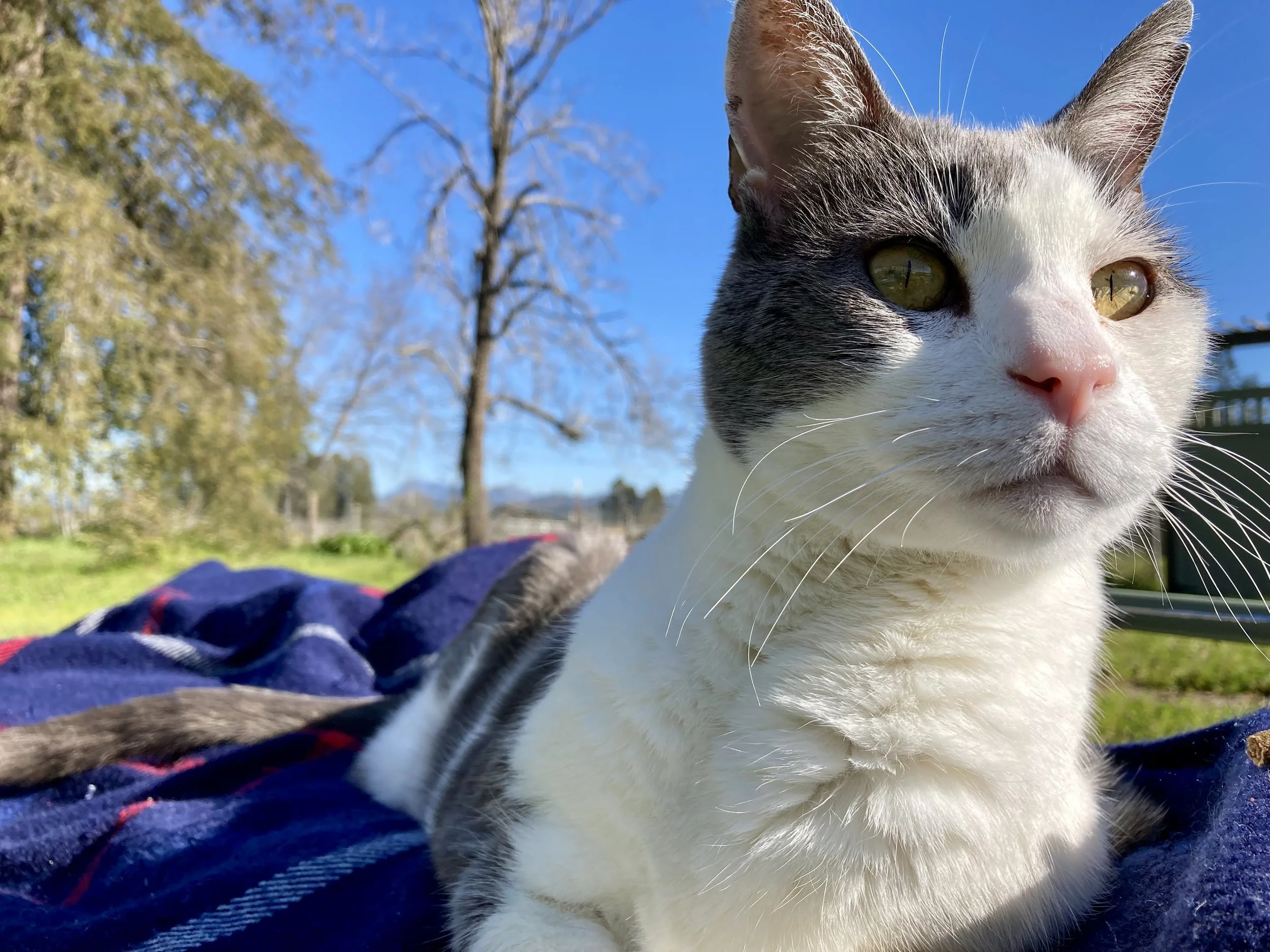
Cousteau
The misanthropic cat.
Suspicious of visitors; devoted to Natalie.
His endorsement is not easily won.
The Soundtrack 🎵
By now you know that I love jazz and swing music.
This playlist traces the stories of the book in song. I mentioned some names and artists directly in the book, others choices relate to theme or mood.
See if you can pick out why each made the list!
I still get emotional listening to some songs. Others make me chuckle (particularly at what I imagine is Carlotta’s theme song).
Dance along with me.
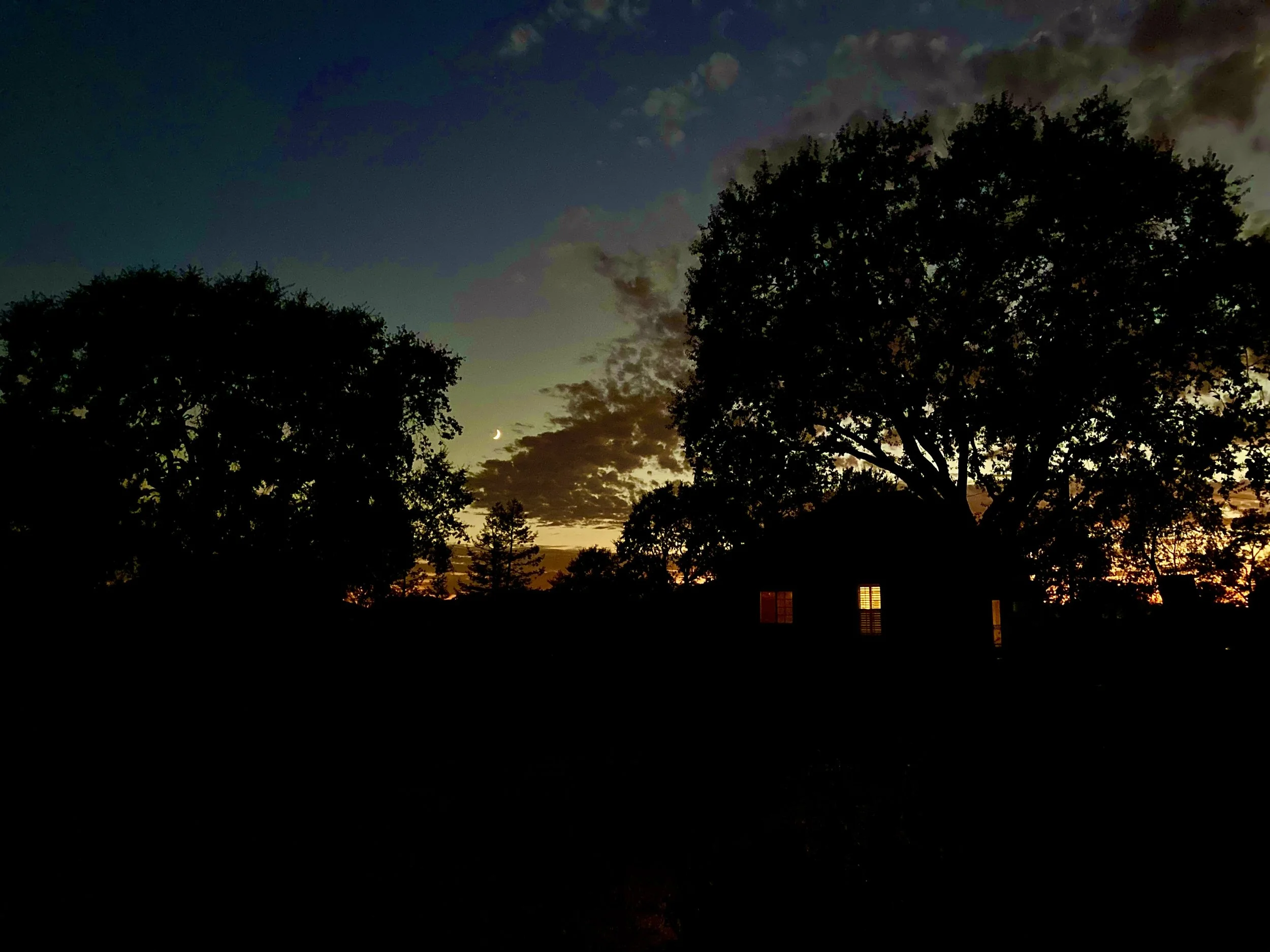
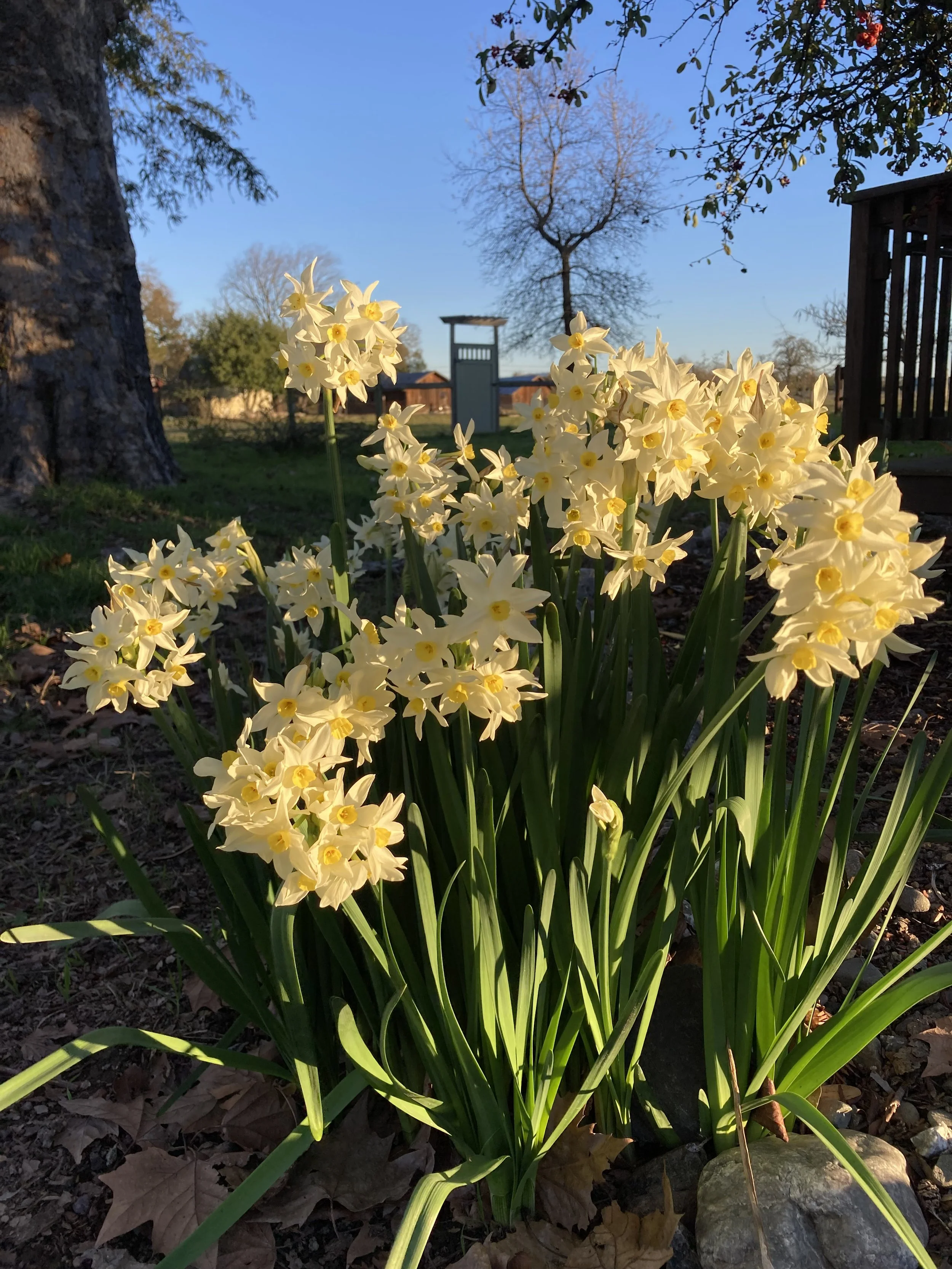
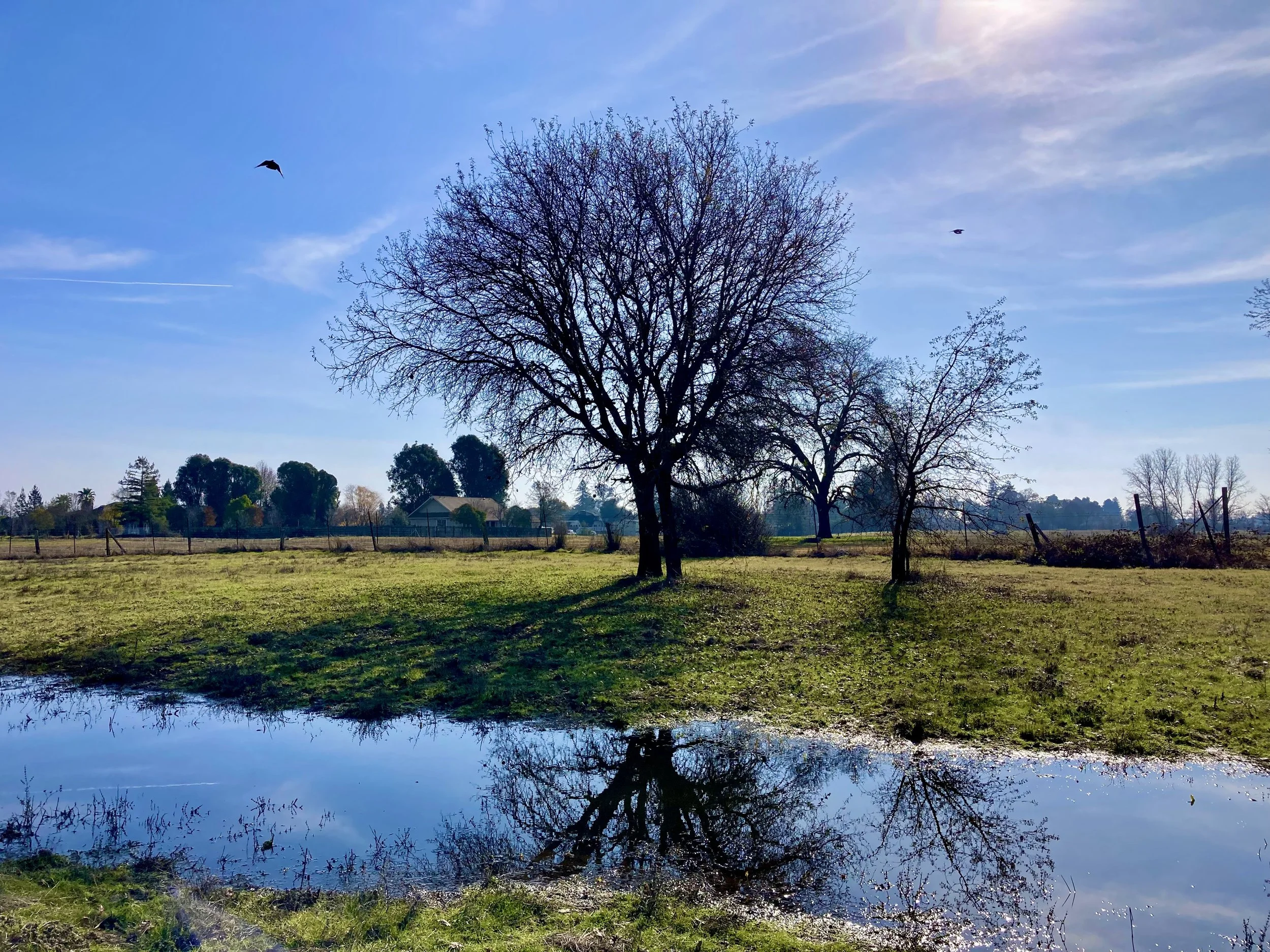
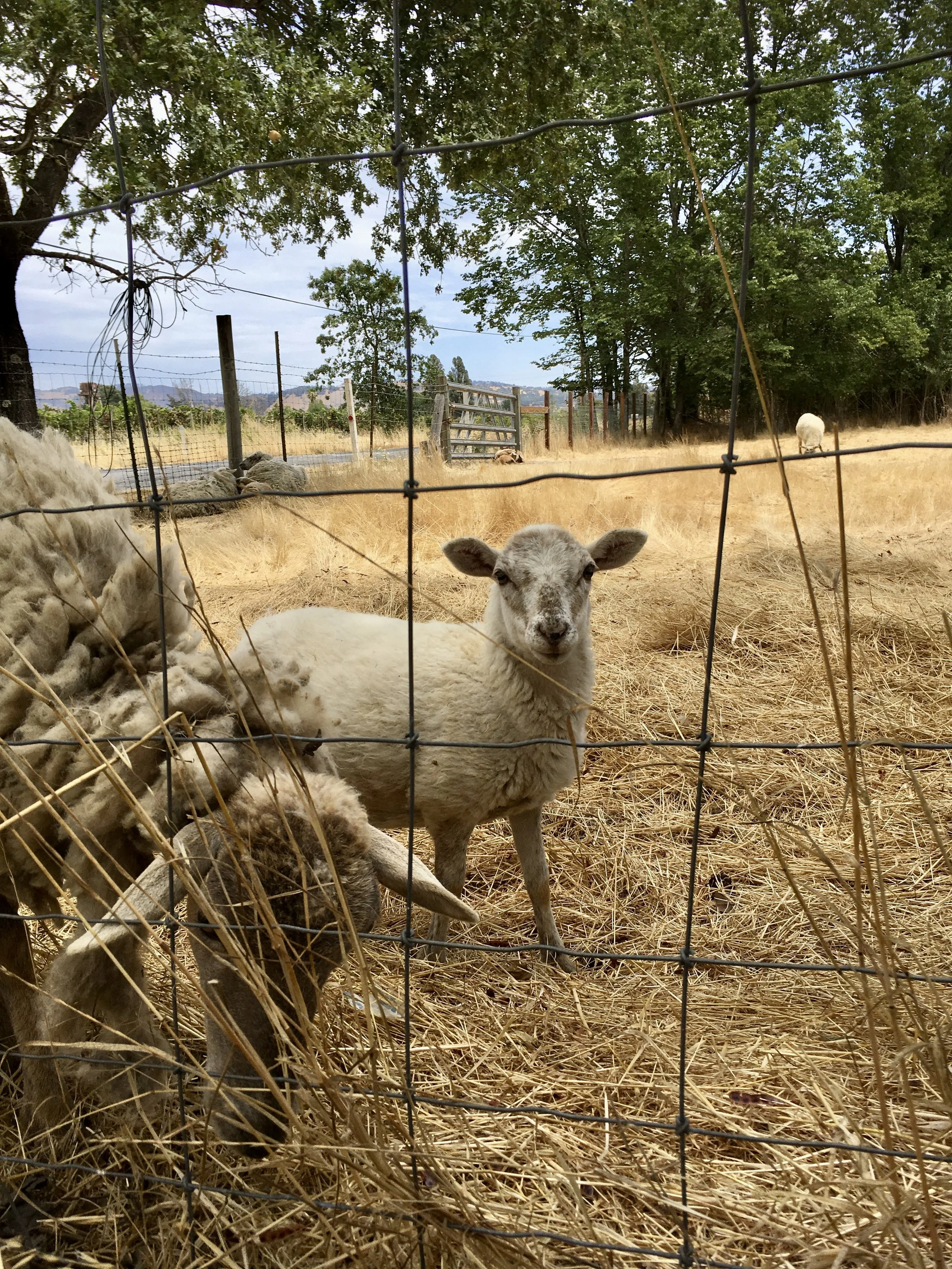
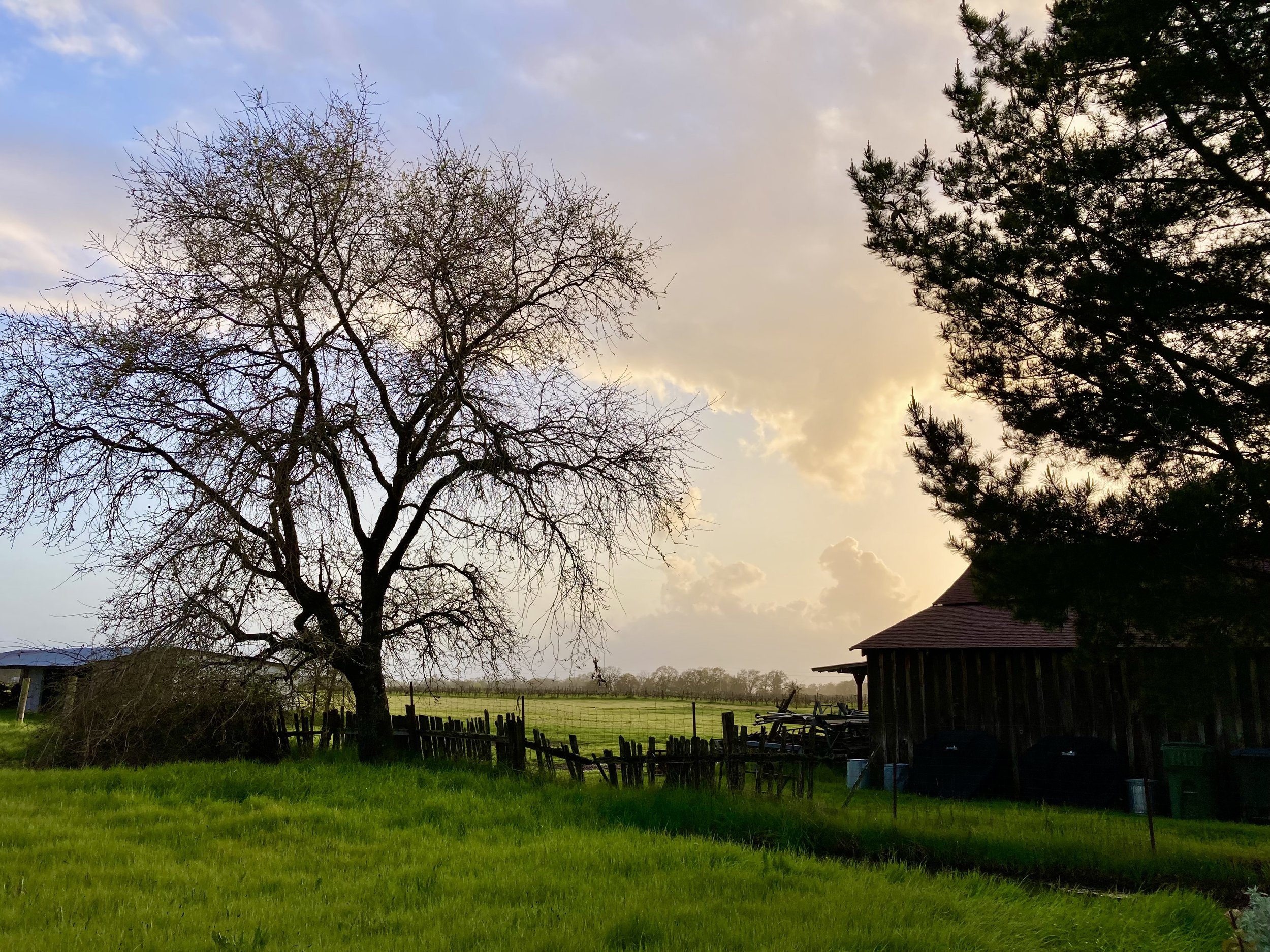
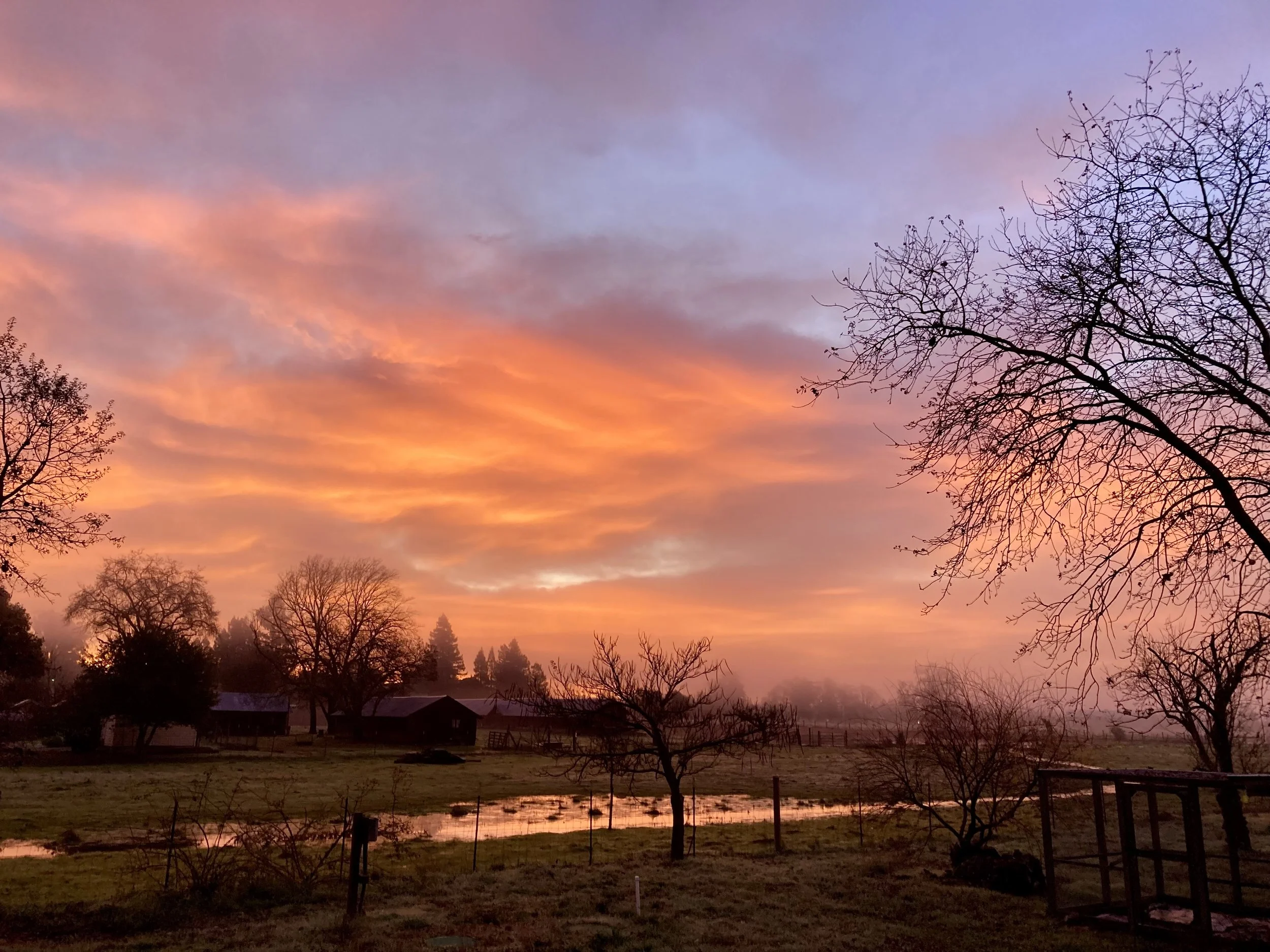
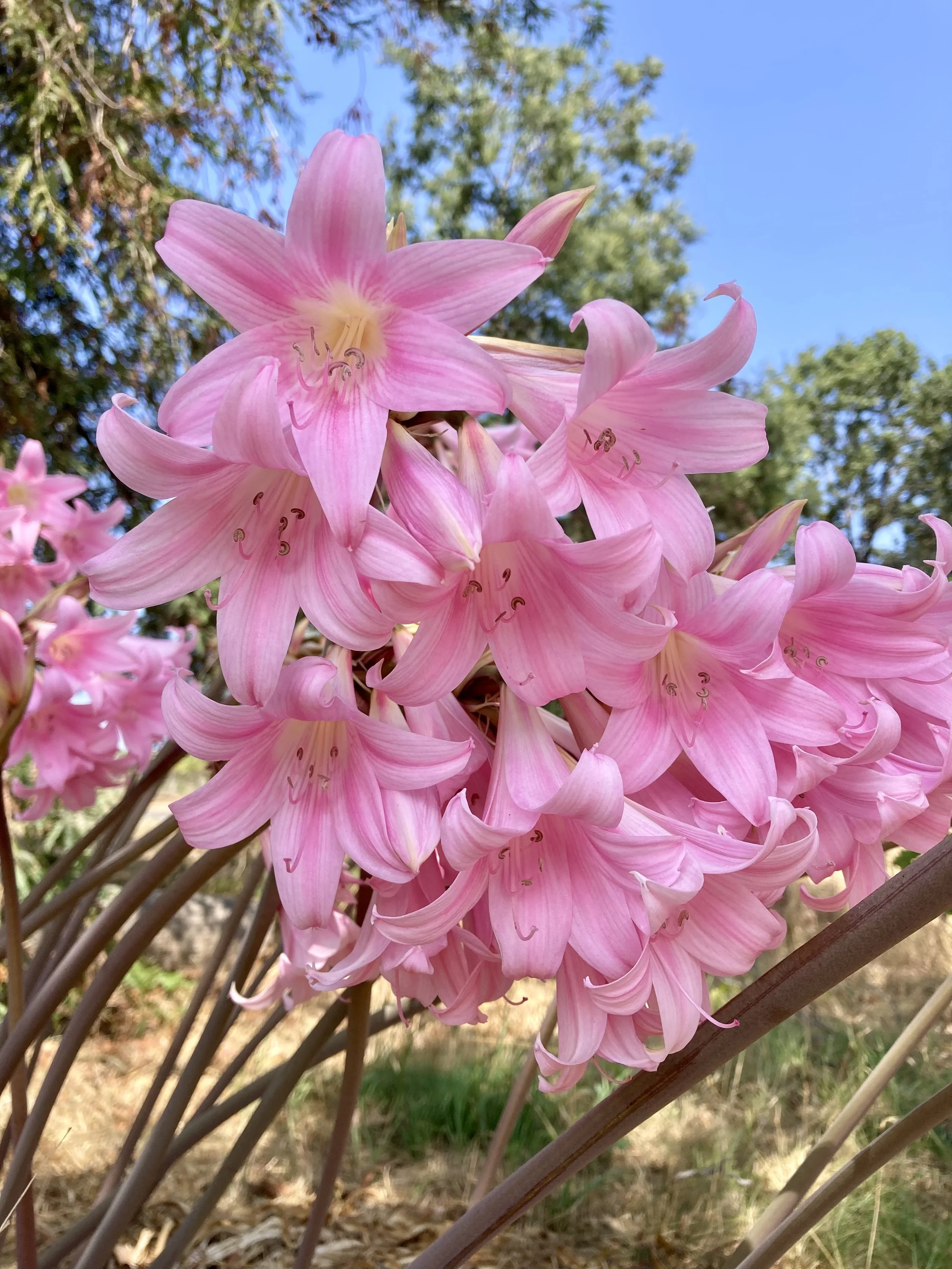
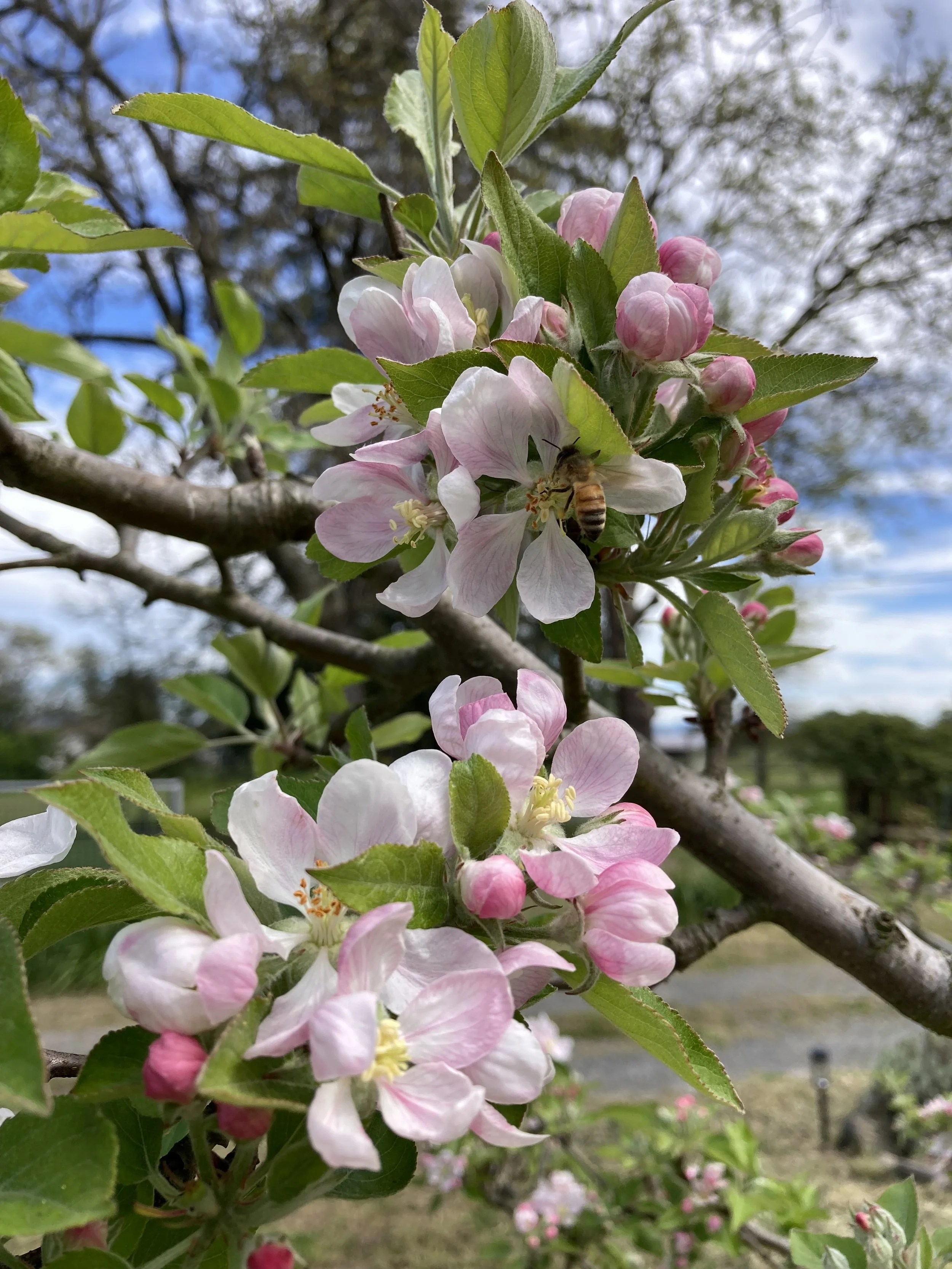
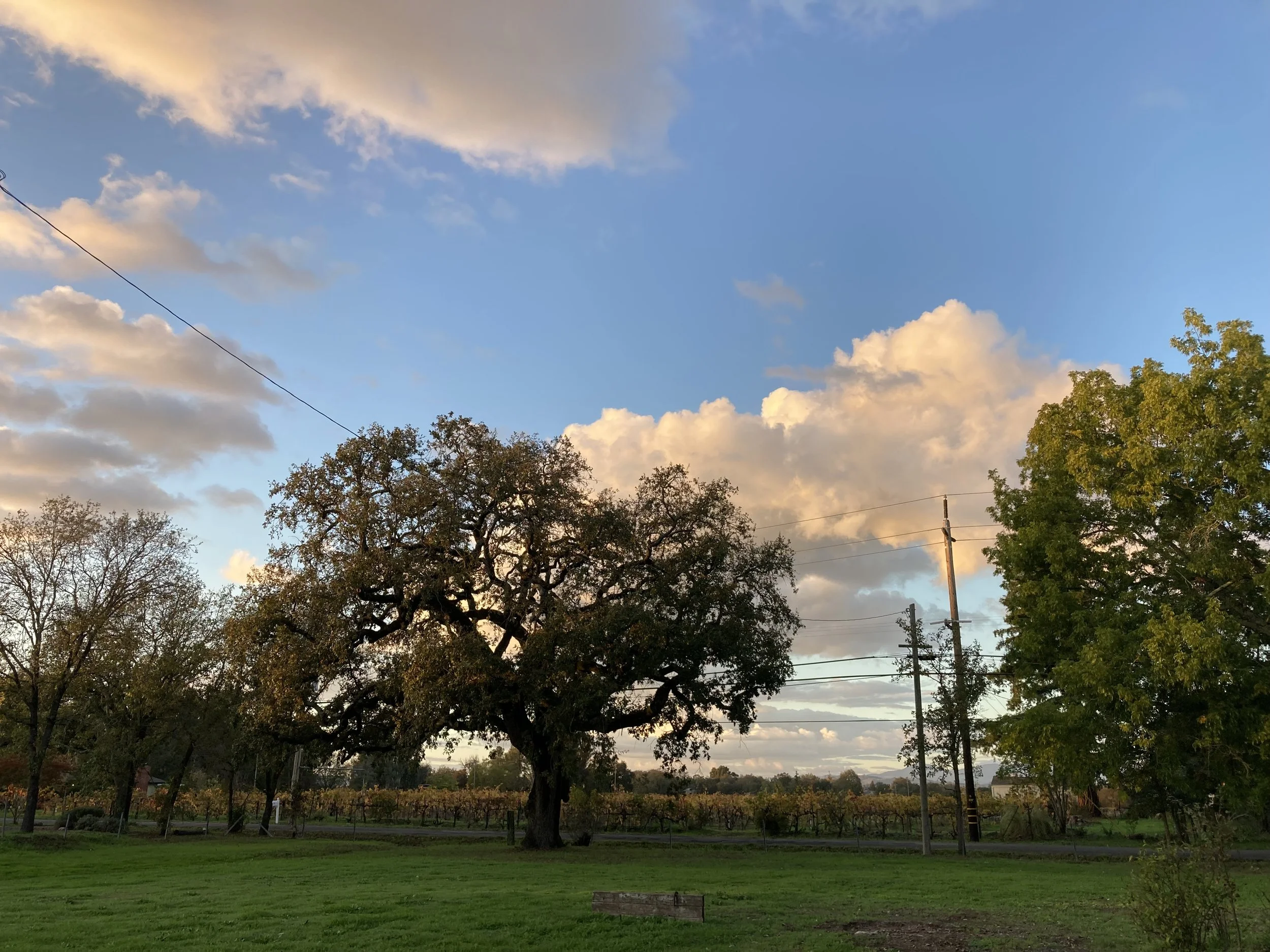
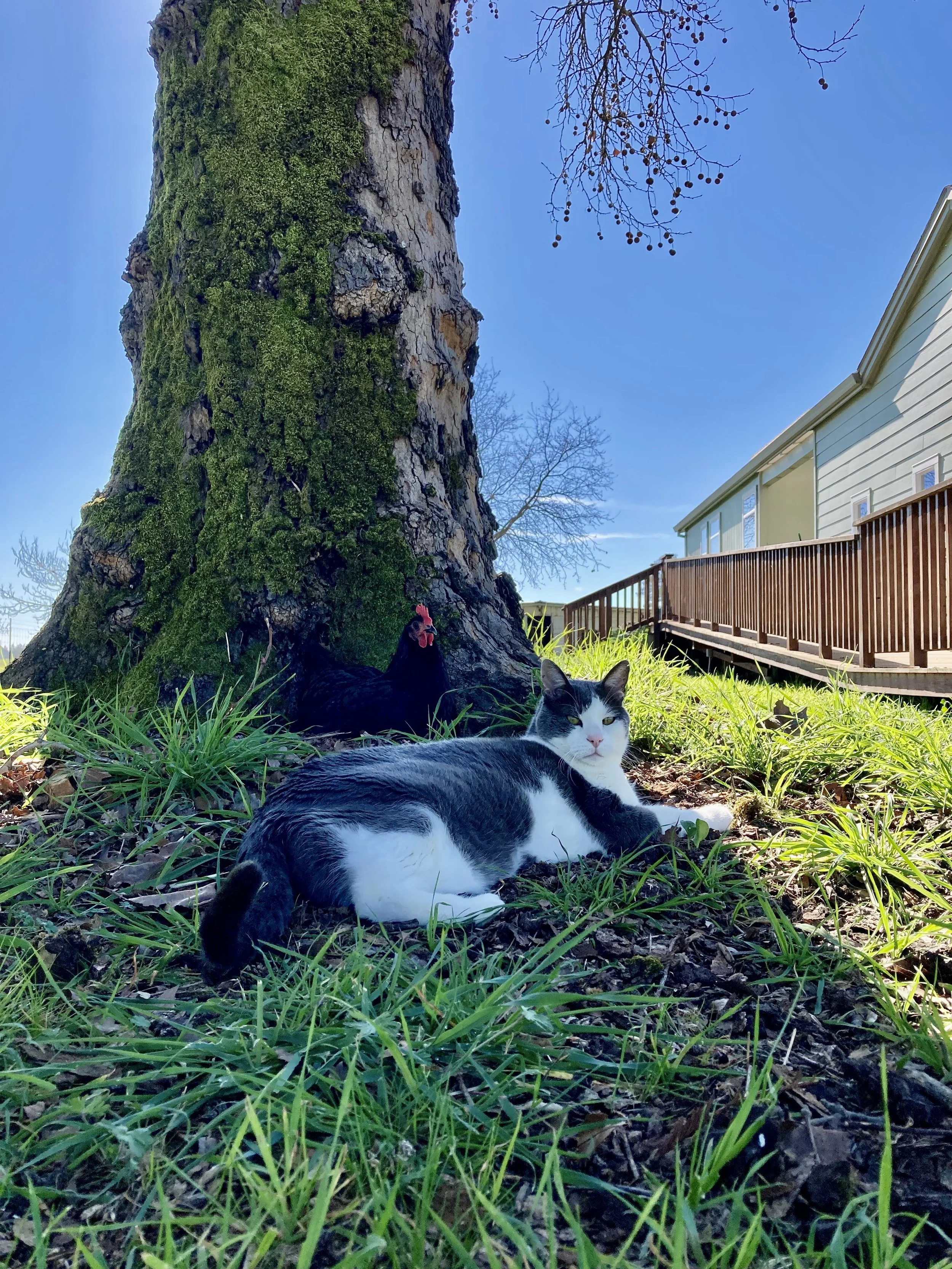
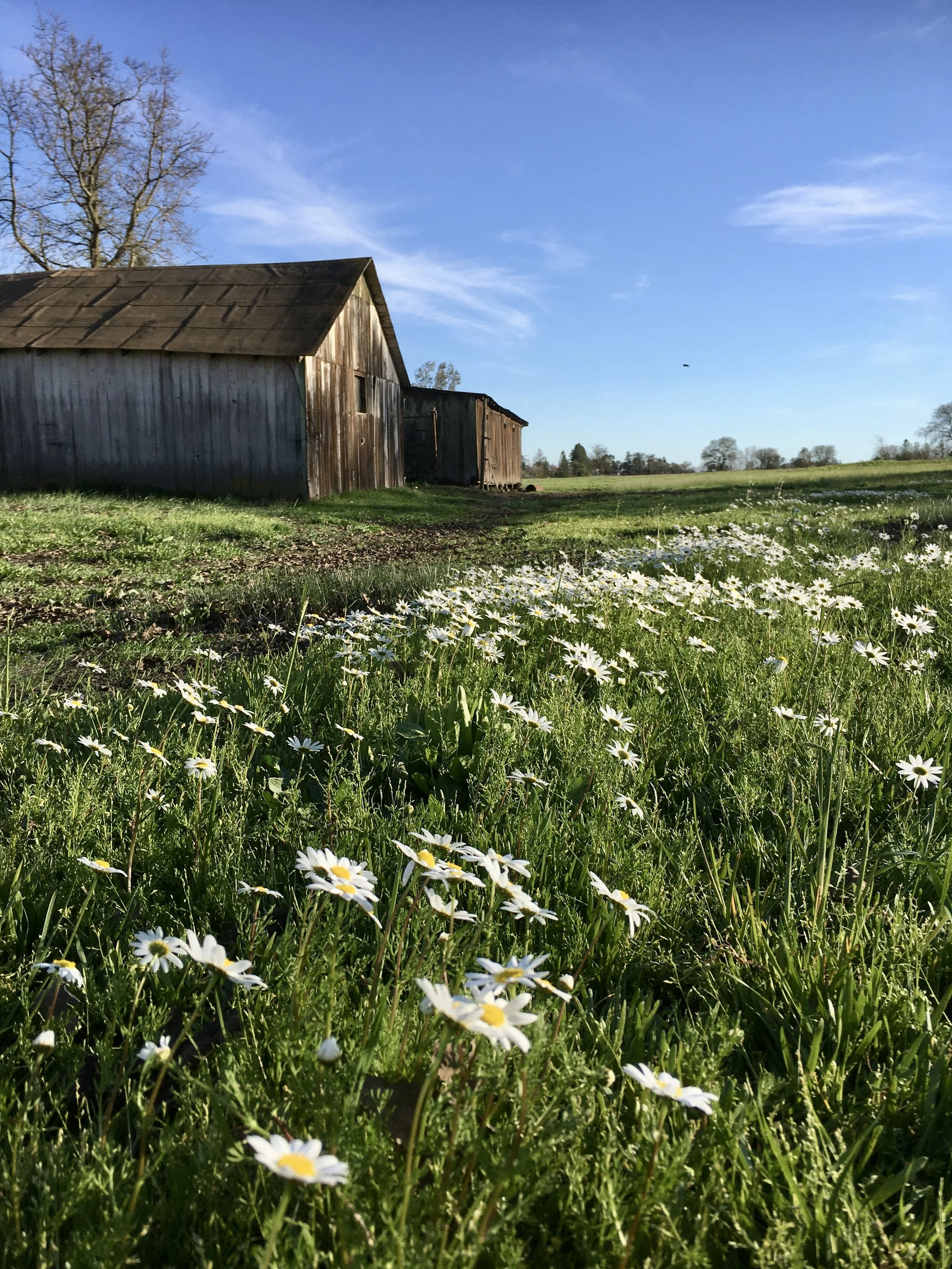
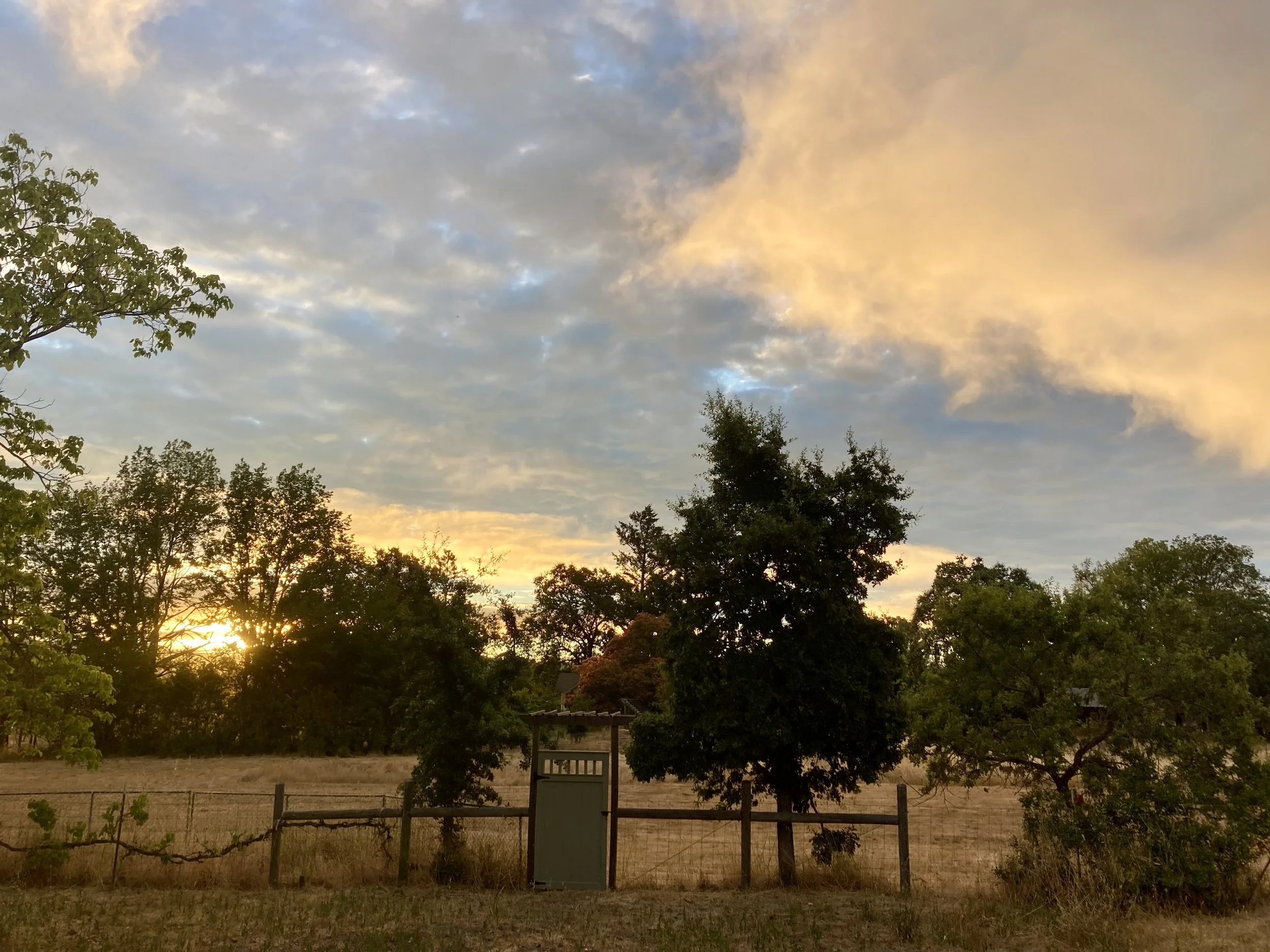
Telling Your Stories 📖
For book clubs, reading groups, and conversations with friends
Enough Feathers to Fly was written with storytelling in mind. The stories are meant to be shared — talked through, laughed over, and occasionally cried about together.
Here are the questions from the back of the book:
What did you think of the title Enough Feathers to Fly before you read the book? What does it mean to you now?
Which story was most emotionally challenging? What experience from your life did it bring to mind?
Which story brought you the most delight? What is something currently bringing you delight in life?
The book describes several encounters with strangers. Pick one to share about. What is a memorable unplanned encounter from your own life? Why was it memorable?
Throughout the book, I talk about my relationship to nature, which has been a source of healing and inspiration, and also of sadness and destruction. How did you relate to these stories of nature—as a source of healing and a source of loss? Share about a location where you feel most at home.
The chapter “The Thin Places” describes how my connection to land and people is part of my spirituality and understanding of God. What grounds you spiritually?
Some of the most prominent characters in the book are animals. What animal did you connect to the most? Tell a story of a special animal from your own life.
A central theme of the book is transformation and healing. How did you relate to this theme? Share a story of your own experience of transformation or recovery.
The book is full of adventures and taking leaps of faith. What is one of the biggest risks you have taken in your life? What is a change or experience you are building courage to pursue?
What other themes or ideas came up for you while reading the book? What has stayed with you since finishing it?
Create a safe environment for sharing: encourage active listening, leave time for every person to share, make it acceptable for anyone to skip a question, and send your list of questions to the group in advance.
Would you like Natalie to visit your group?
She leads retreats and workshops inspired by themes from the book — for book clubs, faith communities, and other groups. Get in touch →
She is also available to join book clubs for virtual visits and occasional in-person discussions in the Sonoma County area.
Resources for the Journey 📚
Here are a few books and podcasts that accompanied my own healing journey.
Books
The Story You Need to Tell — Sandra Marinella
Writing, telling, and rewriting your story isn’t just something for people who want to write a memoir. Sandra Marinella’s book provides context and writing prompts for how to use writing and sharing your story to heal. She effectively uses her own stories, research, and the stories of others to show how telling our stories can bring about change in our lives. I found it practical and moving.
The Artist’s Way — Julia Cameron
This classic self-help book for creative recovery from 1992 may seem a bit out there — she uses some New-Age language and her assignments may feel preposterous. However, she leads you through practices designed to open up the playful side of your mind and to build emotional safety, two things essential for a healthy nervous system. While you may not consider yourself an artist, we are all creative beings. You might be surprised by the benefits of Julia Cameron’s suggestions. It helped me process the experience of severe illness and re-discover my full self—well enough to thrive, create, and be open to new possibilities.
How to Know a Person — David Brooks
Authentic human connection and human encounter are crucial parts to building a meaningful life. David Brooks’ book provides practical teaching, questions, and stories with the aim of inspiring us to dust off our relationship skills and relearn to be present to the humans around us.
Man’s Search for Meaning — Viktor Frankl
Much of this book takes place in Nazi death camps. The stories Viktor Frankl shares do not make for easy reading, yet it contains powerful lessons on how to navigate life in even the most dire of circumstances. Important reading for everyone. We all have agency to change how we respond to our circumstances.
Atomic Habits — James Clear
James Clear's book has practical steps and examples for how to build new habits (hint: small steps are key!). It also outlines the neuroscience behind habit making (and breaking). Emotional, mental, physical habits — these things build up into our identities. We’ve become conditioned to be who we are — but thanks to neuroplasticity, we can also reshape ourselves in small, steady steps.
The Way Out — Alan Gordon
Alan Gordon is a psychotherapist, someone who recovered from chronic pain, and a former comedian, which makes his book informational as well as engaging. He and others like Dr. Howard Schubiner incorporate the latest in neuroscience, building on Dr. John Sarno's work, which has shown how the brain and nervous system can mistakenly create pain (and other symptoms) in the body. This book is not comprehensive of all tools and practices to recover from neuroplastic conditions, but it is an approachable starting point.
Recovery Podcasts
Before my infection, I had an elevated stress response that drove inflammation and tension in my body. There is perhaps some genetic predisposition, but I believe it is predominantly caused by unconscious programming—things like unprocessed emotions and trauma, conditioned reactions, and stressful thinking patterns—and environmental factors.
A common term to refer to my symptoms is that they are neuroplastic. The brain causes real, sometimes severe, physiological symptoms in the body due to a maladaptive stress response. Because the brain is “plastic,” that is, able to rewire itself, the dysfunctional response and the related symptoms are reversible.
Listening to recovery stories was an important part of my healing journey.
Podcasts that feature recovery stories:
The Recovery Room with Jackie Baxter (formerly the Long Covid Podcast)
Stay Connected
The farm keeps growing and so do the stories. If you'd like to stay in touch:
Monthly newsletter — Natalie's Field Notes on Substack — farm stories woven with practical teachings on healing and becoming more fully yourself
Share your story — Did the book spark something for you? I'd love to hear your stories. Write to me →
Hear more of Natalie's voice — interviews, talks, and published essays at sparrowcrowfarm.com/media